Die beste GEO Agentur in Wien, Österreich, Graz, Linz, Wels, Salzburg, Innsbruck, Südtirol, Deutschland oder der Schweiz gibt es schlichtweg nicht. Der Begriff ist eine rein subjektive Bezeichnung. Es existieren dafür weder offizielle Bewertungsmaßstäbe noch nachvollziehbare Kriterien. Viele klassische SEO-Dienstleister nennen sich nun plötzlich "GEO-Agenturen", ohne spezifische Fachexpertise in den entscheidenden Bereichen nachweisen zu können:
Entitätenmanagement
Online-PR
GEO Content Marketing
E-E-A-T (Experience, Expertise, Authoritativeness, Trustworthiness)
Viele Agenturen springen hier lediglich auf einen aktuellen Trendzug auf.
Die Wahrheit über GEO: SEO bleibt das Fundament
Google bestätigt, dass Generative Engine Optimization (GEO) im Kern nichts anderes ist als KI-Suchmaschinenoptimierung (KI-SEO). Grundlegend verändert hat sich wenig. Ein wesentlicher Aspekt ist das clevere Einweben von speziellen FAQ-Erweiterungen in bestehende Inhalte. Dieser Content sollte ohnehin bereits präzise auf die Intention der Zielgruppe optimiert sein.
Kurzum: Wer in der Vergangenheit keine hochwertige Suchmaschinenoptimierung bei Inhalten, Technik und Linkaufbau umsetzen konnte, wird auch bei der GEO-Implementierung scheitern. Klassisches SEO ist das Fundament von Generative Engine Optimization (GEO) in Wien & Österreich. Durch eine KI-freundliche Content-Anpassung und starke externe E-E-A-T-Signale wie Links, Mentions, Citations und Co-Occurrence wird traditionelles SEO zu modernem KI-SEO.
Ein alter Hut in neuem Gewand
Agenturen verkaufen diesen Wandel oft als revolutionäre Neuheit. Dabei nutzt Google im Hintergrund bereits seit Jahren Large Language Models (LLMs) zur Inhaltsbewertung. Der Erfolg von ChatGPT zwang den Suchmaschinengiganten lediglich dazu, diese Technologie direkt in die Benutzeroberfläche (die Suchmaske) zu integrieren.
Das Ergebnis: Bei relevanten Suchanfragen (Prompts) spielt die KI-Suche nun meist vier bis sechs ausgewählte Quellen aus. Diese KI-Generierungen bilden die neuen Search Engine Result Pages (SERPs). Durch diese listenartige Darstellung hat sich das Klickverhalten der Nutzer grundlegend verändert, da die Aufmerksamkeit extrem auf diese wenigen Top-Quellen gelenkt wird.
Beste GEO Agentur www.seo-textagentur.at in Wien & Österreich
Mag. Wolfgang Jagsch Bakk. BEd.
Neubruchstr. 23
4060 Linz--Leonding
Oberösterreich
E-Mail: jagsch@texter-linz.at
Homepage: https://seo-textagentur.at/beste-geo-agentur/
Telefon: +43 650 46 46 498
Pressekontakt
Beste GEO Agentur www.seo-textagentur.at in Wien & Österreich
Mag. Wolfgang Jagsch Bakk. BEd.
Neubruchstr. 23
4060 Linz--Leonding
Oberösterreich
E-Mail: jagsch@texter-linz.at
Homepage: https://seo-textagentur.at/beste-geo-agentur/
Telefon: +43 650 46 46 498
Donnerstag, 15. Oktober 2026

Flirten mit 40+ - Bettbeziehung Erfahrungen zeigen, warum Online-Dating in der Lebensmitte besonders gut funktioniert
 Die Vorstellung, dass Online-Dating vor allem etwas für Zwanzigjährige sei, hält sich hartnäckig - und führt dazu, dass viele Menschen ab 40 gar nicht erst in Erwägung ziehen, sich auf einer Plattform anzumelden. Zu groß ist die Sorge, dort fehl am Platz zu sein, nicht der Zielgruppe zu entsprechen oder schlicht zu alt für das digitale Flirtformat zu wirken. Bettbeziehung Erfahrungen widerlegen diese Befürchtungen eindrücklich.
 Nutzer in der Lebensmitte berichten nicht nur von positiven Gesprächsverläufen, sond ern auch davon, dass sie die Plattform als einen Ort erleben, an dem Lebenserfahrung kein Nachteil ist, sondern ein spürbarer Vorteil. Die Gespräche sind oft tiefgründiger, die Erwartungen realistischer und der Umgangston respektvoller als in jüngeren Altersgruppen. Wer mit 40 oder darüber den Schritt ins Online-Dating wagt, betritt keinen Raum, der für andere gemacht ist - sondern einen Raum, in dem die eigene Reife und Erfahrung echten Mehrwert haben.
Lebenserfahrung als Gesprächsqualität
Wer sich selbst kennt, kommuniziert besser
Einer der wesentlichen Vorteile, die Menschen ab 40 beim Online-Dating mitbringen, ist ein gefestigtes Selbstbild. Wer zwanzig oder mehr Jahre Berufserfahrung, Beziehungen, Freundschaften und persönliche Krisen hinter sich hat, kennt sich selbst in einer Weise, die mit Anfang 20 schlicht nicht möglich ist.
Bettbeziehung Erfahrungen spiegeln diesen Unterschied in der Gesprächsqualität deutlich wider. Nutzer ab 40 formulieren klarer, was sie suchen und was nicht. Sie verschwenden weniger Zeit mit Spielchen oder dem Versuch, jemand zu sein, der sie nicht sind. Und sie bringen eine emotionale Reife in Gespräche ein, die es ermöglicht, auch schwierigere Themen anzusprechen, ohne dass der Austausch daran scheitert. Die Bettbeziehung Bewertung vieler Gesprächspartner bestätigt, dass genau diese Klarheit als angenehm und attraktiv empfunden wird - weil sie Gesprächen eine Substanz verleiht, die bei oberflächlichem Smalltalk nicht entstehen kann.
Weniger Unsicherheit, mehr Gelassenheit
Mit zunehmendem Alter nimmt in der Regel auch der Druck ab, sich ständig beweisen zu müssen. Bettbeziehung Erfahrungen zeigen, dass Nutzer ab 40 Gespräche deutlich entspannter führen als jüngere Nutzer, die sich häufig unter dem Druck fühlen, sofort einen perfekten Eindruck hinterlassen zu müssen. Diese Gelassenheit überträgt sich auf die gesamte Gesprächsdyn amik. Statt nervös auf jede Nachricht zu warten und jedes Wort auf die Goldwaage zu legen, genießen ältere Nutzer den Austausch häufig einfach als das, was er ist: eine angenehme Unterhaltung mit einem interessanten Menschen. Auf Bettbeziehung zeigt sich diese Haltung in der Tonalität der Nachrichten - sie wirken lockerer, natürlicher und frei von dem verkrampften Bemühen, unbedingt gefallen zu wollen.
Veränderte Prioritäten - warum Bettbeziehung Erfahrungen ab 40 anders aussehen
Qualität statt Quantität
Jüngere Nutzer auf Dating-Plattformen neigen dazu, möglichst viele Kontakte gleichzeitig zu pflegen - in der Hoffnung, dass die schiere Menge die Wahrscheinlichkeit eines Treffers erhöht. Nutzer ab 40 verfolgen häufig eine andere Strategie. Bettbeziehung Erfahrungen zeigen, dass diese Altersgruppe eher wenige, dafür aber bewusst ausgewählte Gespräche führt. Die Bereitschaft, sich auf einen einzelnen Kontakt wirklich einzulass en, statt zwischen zehn verschiedenen Chats hin und her zu springen, führt zu einer spürbar höheren Gesprächsqualität. Das bedeutet nicht, dass ältere Nutzer wählerischer im negativen Sinne wären - sie wissen schlicht besser, was zu ihnen passt und wo es sich lohnt, Zeit und Aufmerksamkeit zu investieren.
Realistische Erwartungen als Vorteil
Ein weiterer Faktor, der in Bettbeziehung Erfahrungen älterer Nutzer immer wieder auftaucht, ist der Umgang mit Erwartungen. Wer bereits Beziehungen geführt hat, die gut waren, und solche, die es nicht waren, geht mit einer realistischeren Haltung an neue Kontakte heran. Die romantisierte Vorstellung vom perfekten Partner, die in jüngeren Jahren häufig dominiert, weicht einem pragmatischeren Blick: Man sucht nicht den fehlerfreien Menschen, sondern den, dessen Ecken und Kanten zu den eigenen passen. Die Bettbeziehung Heute Erfahrungen vieler Nutzer in dieser Altersgruppe beschreiben genau diesen Perspektivwechse l als befreiend - weil er den Druck nimmt, in jedem Kontakt sofort das große Glück finden zu müssen.
Vorurteile, die sich nicht bestätigen
Zu alt für Online-Dating?
Das Vorurteil, ab einem gewissen Alter nicht mehr zur Zielgruppe von Dating-Plattformen zu gehören, ist so verbreitet wie falsch. Bettbeziehung Erfahrungen zeigen, dass die Nutzerschaft altersmäßig breit aufgestellt ist und dass Nutzer ab 40 einen festen und geschätzten Bestandteil der Community bilden. Die Bettbeziehung Heute Bewertung vieler Nutzer in dieser Altersgruppe macht deutlich, dass sie sich auf der Plattform willkommen und ernst genommen fühlen - ein Zeichen dafür, dass das Angebot nicht auf eine bestimmte Altersgruppe zugeschnitten ist, sondern auf eine bestimmte Haltung: Offenheit, Respekt und die Bereitschaft zum ehrlichen Austausch.
Bettbeziehung Erfahrungen widerlegen das Klischee der Technikferne
Ein weiteres Vorurteil betrifft die angebliche Technikferne älterer Nutzer. Die Vorstellung, dass sich Menschen ab 40 mit digitalen Plattformen schwertun, ist in einer Gesellschaft, in der nahezu jeder ein Smartphone besitzt und täglichen Umgang mit digitalen Diensten hat, schlicht überholt. Bettbeziehung Erfahrungen belegen, dass ältere Nutzer die Funktionen der Plattform genauso selbstverständlich und souverän nutzen wie jüngere. Die Bettbeziehung Bewertungen heben zudem hervor, dass die Plattform bewusst auf eine intuitive Bedienung setzt, die keinen technischen Vorkenntnissen bedarf - was den Einstieg für alle Altersgruppen gleichermaßen unkompliziert macht.
Was Nutzer ab 40 in den digitalen Austausch einbringen
Gesprächskompetenz durch Lebenserfahrung
Die Fähigkeit, ein gutes Gespräch zu führen, ist keine Frage des Alters - aber sie profitiert von Erfahrung. Bettbeziehung Erfahrungen zeigen, dass Nutzer ab 40 in der Regel über ein breiteres Spektrum an Gespräc hsthemen verfügen, souveräner auf unerwartete Wendungen reagieren und besser darin sind, das Gegenüber zum Erzählen einzuladen. Diese Gesprächskompetenz ist das Ergebnis jahrelanger sozialer Interaktion - und sie macht sich im digitalen Austausch deutlich bemerkbar. In der Bettbeziehung Heute Erfahrung vieler Nutzer wird beschrieben, dass Gespräche mit älteren Gesprächspartnern als besonders bereichernd empfunden werden, weil sie eine Tiefe und Ruhe haben, die in schnelllebigen Chats sonst selten zu finden ist.
Konkrete Stärken, die ältere Nutzer mitbringen
Aus den Bettbeziehung Erfahrungen älterer Nutzer lassen sich konkrete Qualitäten ableiten, die den digitalen Austausch bereichern:
- Ein gelassener Umgang mit Ablehnung, weil man gelernt hat, sie nicht persönlich zu nehmen
- Die Fähigkeit, eigene Bedürfnisse klar und freundlich zu formulieren, ohne dabei fordernd zu wirken
- Ein ehrlicherer Umgang mit den eigenen Stärken und Sc hwächen, der authentische Profile und Gespräche ermöglicht
- Mehr Geduld im Gesprächsaufbau, weil man weiß, dass echte Verbindungen Zeit brauchen
- Ein geschärftes Gespür für Gesprächsdynamiken, das hilft, den richtigen Ton zu treffen und Missverständnisse zu vermeiden
- Weniger Abhängigkeit von externer Bestätigung, weil das eigene Selbstwertgefühl auf einem stabileren Fundament steht
Die Bettbeziehung Heute Bewertungen bestätigen dieses Bild durchgehend: Die Gesprächsqualität steigt mit der Lebenserfahrung - und davon profitieren alle Beteiligten.
Die zweite Lebenshälfte als Chance begreifen
Warum es nie zu spät ist
Die Vorstellung, dass bestimmte Lebensphasen für bestimmte Erfahrungen reserviert sind, ist ein Konstrukt, das mit der Realität wenig zu tun hat. Neue Kontakte, anregende Gespräche und das Kribbeln eines guten Flirts sind nicht an ein Alter gebunden. Bettbeziehung Erfahrungen zeigen e indrücklich, dass Menschen in der Lebensmitte den digitalen Austausch nicht nur genießen, sondern ihn oft als eine der positivsten Entdeckungen der letzten Jahre beschreiben. Die Bettbeziehung Heute Erfahrungen älterer Nutzer machen deutlich, dass der Schritt auf die Plattform häufig mit der Erkenntnis verbunden ist, diese Entscheidung nicht früher getroffen zu haben.
Reife ist ein Vorteil, kein Verfallsdatum
Online-Dating ab 40 ist kein Kompromiss und keine Notlösung - es ist eine bewusste Entscheidung für eine Form des Austauschs, die der eigenen Lebenssituation gerecht wird. Wer Lebenserfahrung, Gelassenheit und ein gefestigtes Selbstbild mitbringt, startet auf einer Plattform nicht mit einem Nachteil, sondern mit einem Vorsprung. Die Gespräche sind tiefer, die Erwartungen realistischer und die Bereitschaft, sich auf das Gegenüber einzulassen, häufig größer als in jüngeren Jahren. All das macht die Lebensmitte zu einem idealen Zeitpunkt, um den Schritt ins digitale Dating zu wagen - nicht trotz, sondern gerade wegen der Jahre, die man bereits gelebt hat. Wer daran noch zweifelt, findet in den zahlreichen positiven Bettbeziehung.de Erfahrungen den überzeugendsten Beleg dafür, dass 40+ beim Online-Flirten kein Nachteil ist, sondern der Beginn eines besonders lohnenden Kapitels.
Grundconcepts UG (haftungsbeschränkt)
Kevin Grund
Lecker Chaussee 26
25917 Leck
Deutschland
E-Mail: info@bettbeziehung-erfahrungen.de
Homepage: https://www.bettbeziehung.de/page/imprint
Telefon: 040 66969876
Pressekontakt
Grundconcepts UG (haftungsbeschränkt)
Kevin Grund
Lecker Chaussee 26
25917 Leck
Deutschland
E-Mail: info@bettbeziehung-erfahrungen.de
Homepage: https://www.bettbeziehung.de/page/imprint
Telefon: 040 66969876
Dienstag, 13. Oktober 2026
www.drpaul.at - Brustspezialist Linz: Dr. Paul Schlagnitweit & Dr. Paul Sihorsch
Die Entscheidung für eine professionelle Brustoperation in Oberösterreich erfordert ein hohes Maß an Vertrauen, klinischer Präzision und ästhetischem Gespür. In der oberösterreichischen Landeshauptstadt haben sich zwei renommierte Experten als führende Anlaufstelle nachhaltig etabliert: Dr. Paul Sihorsch und Dr. Paul Schlagnitweit. Unter der bekannten gemeinsamen Premium-Marke und Online-Präsenz www.drpaul.at betreiben die beiden erfahrenen Fachärzte für Plastische, Ästhetische und Rekonstruktive Chirurgie eine hochmoderne, stilvolle Ordination in zentraler Lage in der Marienstraße 10a (Top 1-12) in 4020 Linz. Mit ihrer langjährigen, fundierten operativen Erfahrung von über zehn Jahren stehen die beiden erfahrenen Mediziner für ein klares, kompromissloses Qualitäts- und Sicherheitsversprechen auf höchstem medizinischem Niveau. Das eingespielte Team bündelt doppelte Facharzt-Expertise, um für jede Patientin aus dem Großraum Linz, Wels, Steyr und dem gesamten Bundesland individuelle, anatomisch harmonische Lösungen ohne standardisierte Schablonenverfahren zu entwickeln.
Als anerkannter Brustspezialist in Linz deckt die moderne Gemeinschaftspraxis das gesamte Spektrum der fortschrittlichen Brustchirurgie ab. Ein wesentlicher Kernbereich ihrer täglichen Arbeit ist die Brustvergrößerung in Linz, die vor allem Frauen anspricht, die nach einer Schwangerschaft, der Stillzeit oder infolge einer starken Gewichtsabnahme unter einem sichtbaren Volumenverlust der Brust leiden. Auch angeborene Asymmetrien oder eine von Natur aus als zu klein empfundene Brust können durch einen präzisen chirurgischen Eingriff harmonisch ausgeglichen werden. Dr. Paul Sihorsch und Dr. Paul Schlagnitweit setzen hierbei auf modernste Operationstechniken und e rstklassige, zertifizierte Brustimplantate. Im Rahmen einer ausführlichen, ehrlichen Erstberatung in den Linzer Ordinationsräumen wird die optimale Implantatform und Platzierung exakt auf die anatomischen Gegebenheiten und die Körperproportionen der Patientin abgestimmt, um ein vollkommen natürliches Tast- und Erscheinungsbild zu erzielen. Das Vertrauen der Frauen steht hier an erster Stelle.
Ein weiterer zentraler Schwerpunkt der Experten für Brustchirurgie in Linz und Oberösterreich ist die Bruststraffung. Wenn das Hautgewebe im Laufe der Jahre oder nach starken Gewichtsschwankungen seine natürliche Elastizität verliert, kommt es häufig zu einer Erschlaffung der Brust. Bei diesem Eingriff wird die Brust professionell neu geformt, überschüssige Haut präzise entfernt und der Warzenhof bei Bedarf ästhetisch angehoben. Für Frauen, die sich neben einer optischen Hebung auch wieder mehr Fülle wünschen, lässt sich die Bruststraffung in Linz ideal mit dem gleic hzeitigen Einsatz von Implantaten kombinieren. Das oberste Ziel der Chirurgen ist es immer, ein harmonisches, langanhaltendes Gesamtergebnis zu kreieren, das perfekt zum individuellen Körperbild passt und den Patientinnen ein völlig neues Selbstwertgefühl sowie ein gesteigertes Wohlbefinden schenkt.
Neben rein ästhetischen Korrekturen widmen sich die Fachärzte ebenso intensiv und feinfühlig der Brustverkleinerung in Linz. Eine sehr große, schwere Brust (Makromastie) stellt für die betroffenen Frauen oft nicht nur eine erhebliche psychische Belastung im Alltag dar, sondern führt häufig auch zu chronischen körperlichen Beschwerden. Typische Symptome wie hartnäckige Nacken-, Schulter- und Rückenschmerzen sowie schmerzhafte Einschneidungen der BH-Träger können die Lebensqualität massiv einschränken. Durch eine fachgerechte Reduktion und gleichzeitige Formung des Brustdrüsen- und Fettgewebes entlasten Dr. Paul Sihorsch und Dr. Paul Schlagnitweit den gesamten Bewegungsapparat spürbar. Dieser funktionell-ästhetische Eingriff verhilft Patientinnen zu einer deutlichen körperlichen Befreiung und ermöglicht wieder ein unbeschwertes, aktives Leben. Auch anspruchsvolle Korrektureingriffe und Revisionen nach Voroperationen werden routiniert in der Linzer Praxis durchgeführt.
Ergänzend zur spezialisierten Brustchirurgie bieten die Mediziner hochkarätige Behandlungen für den gesamten Körper an. Hierzu zählt insbesondere die professionelle Bauchstraffung in Linz (Abdominalplastik). Nach einer Schwangerschaft oder einer massiven Gewichtsabnahme, die heutzutage oft durch moderne Therapien wie Ozempic oder Mounjaro unterstützt wird, bleibt häufig ein deutlicher Überschuss an gedehntem Haut- und Gewebe zurück. Bei einer Bauchdeckenstraffung in Linz wird diese überschüssige Hautschürze entfernt, das darunterliegende Gewebe gestrafft und, falls medizinisch notwendig, die auseinandergewichenen Bauchmuskeln (Rektusdiastase) wied er stabil gerafft. Oftmals kombinieren die Chirurgen diesen Eingriff mit einer gezielten Fettabsaugung (Liposuktion) und einer präzisen Versetzung des Bauchnabels, um eine flache, harmonische Silhouette zu formen, die ein dauerhaft neues Körperbewusstsein hinterlässt.
Die hochmoderne Ordination Dr. Paul in Linz legt größten Wert auf eine lückenlose, fürsorgliche Rundumbetreuung auf Augenhöhe. Vom ersten Aufklärungsgespräch bis hin zur engmaschigen Nachsorge stehen Dr. Paul Sihorsch und Dr. Paul Schlagnitweit ihren Patientinnen persönlich zur Seite. Die regulären Ordinationszeiten in der Marienstraße 10a in 4020 Linz sind von Montag bis Donnerstag von 08:00 bis 16:00 Uhr sowie freitags von 08:00 bis 14:00 Uhr nach vorheriger, flexibler Terminvereinbarung geöffnet. Für maximale Erreichbarkeit sorgt zudem die Möglichkeit, Termine unkompliziert telefonisch unter +43 660 9261676 oder direkt online zu buch en. Ergänzend betreiben die Fachärzte Zweitordinationen in Salzburg und Zell am See, um Patientinnen in ganz Österreich den Zugang zu ihrer Expertise zu ermöglichen.
Wer in Linz und Umgebung nach den führenden Spezialisten für eine sichere und ästhetisch erstklassige Brust- oder Körperoperation sucht, findet auf www.drpaul.at den perfekten und verlässlichen Partner. Eine umfassende Betreuung auf höchstem Facharzt-Niveau ist somit in jedem Fall garantiert. Daher lohnt sich ein persönlicher Besuch in der Linzer Praxis. Hier wird höchste medizinische Qualität dauerhaft geboten.
TAGS: Brustspezialist in Linz, Brust OP in Linz, Brustvergrößerung in Linz, Brustverkleinerung in Linz, Bruststraffung in Linz, Brustchirurgie in Linz, Brustchirurg in Linz, Brustkorrektur in Linz
Quellen:
https://drpaul.at
https://drpaul.at/brust
https://geo4biz.wordpress.com/2026/10/12/brustspezialist-in-linz-der-grose-ratgeber-zur-brustchir urgie-in-oberosterreich
https://drpaul.at/brust/brustverkleinerung
https://drpaul.at/brust/brustvergroesserung
https://branchennews.cc/brustspezialist-linz
https://innovation-austria.at/brustchirurgie-linz-ooe
https://drpaul.at/koerper/bauchstraffung
Dr. Paul - Sihorsch und Schlagnitweit
Dr. Paul
Marienstraße 10a
4020 Linz
Oberösterreich
E-Mail: hello@drpaul.at
Homepage: https://maps.app.goo.gl/oLN9B8wDEtyzYJgU7
Telefon: +43 660 9261676
Pressekontakt
Dr. Paul - Sihorsch und Schlagnitweit
Dr. Paul
Marienstraße 10a
4020 Linz
Oberösterreich
E-Mail: hello@drpaul.at
Homepage: https://maps.app.goo.gl/oLN9B8wDEtyzYJgU7
Telefon: +43 660 9261676
Als anerkannter Brustspezialist in Linz deckt die moderne Gemeinschaftspraxis das gesamte Spektrum der fortschrittlichen Brustchirurgie ab. Ein wesentlicher Kernbereich ihrer täglichen Arbeit ist die Brustvergrößerung in Linz, die vor allem Frauen anspricht, die nach einer Schwangerschaft, der Stillzeit oder infolge einer starken Gewichtsabnahme unter einem sichtbaren Volumenverlust der Brust leiden. Auch angeborene Asymmetrien oder eine von Natur aus als zu klein empfundene Brust können durch einen präzisen chirurgischen Eingriff harmonisch ausgeglichen werden. Dr. Paul Sihorsch und Dr. Paul Schlagnitweit setzen hierbei auf modernste Operationstechniken und e rstklassige, zertifizierte Brustimplantate. Im Rahmen einer ausführlichen, ehrlichen Erstberatung in den Linzer Ordinationsräumen wird die optimale Implantatform und Platzierung exakt auf die anatomischen Gegebenheiten und die Körperproportionen der Patientin abgestimmt, um ein vollkommen natürliches Tast- und Erscheinungsbild zu erzielen. Das Vertrauen der Frauen steht hier an erster Stelle.
Ein weiterer zentraler Schwerpunkt der Experten für Brustchirurgie in Linz und Oberösterreich ist die Bruststraffung. Wenn das Hautgewebe im Laufe der Jahre oder nach starken Gewichtsschwankungen seine natürliche Elastizität verliert, kommt es häufig zu einer Erschlaffung der Brust. Bei diesem Eingriff wird die Brust professionell neu geformt, überschüssige Haut präzise entfernt und der Warzenhof bei Bedarf ästhetisch angehoben. Für Frauen, die sich neben einer optischen Hebung auch wieder mehr Fülle wünschen, lässt sich die Bruststraffung in Linz ideal mit dem gleic hzeitigen Einsatz von Implantaten kombinieren. Das oberste Ziel der Chirurgen ist es immer, ein harmonisches, langanhaltendes Gesamtergebnis zu kreieren, das perfekt zum individuellen Körperbild passt und den Patientinnen ein völlig neues Selbstwertgefühl sowie ein gesteigertes Wohlbefinden schenkt.
Neben rein ästhetischen Korrekturen widmen sich die Fachärzte ebenso intensiv und feinfühlig der Brustverkleinerung in Linz. Eine sehr große, schwere Brust (Makromastie) stellt für die betroffenen Frauen oft nicht nur eine erhebliche psychische Belastung im Alltag dar, sondern führt häufig auch zu chronischen körperlichen Beschwerden. Typische Symptome wie hartnäckige Nacken-, Schulter- und Rückenschmerzen sowie schmerzhafte Einschneidungen der BH-Träger können die Lebensqualität massiv einschränken. Durch eine fachgerechte Reduktion und gleichzeitige Formung des Brustdrüsen- und Fettgewebes entlasten Dr. Paul Sihorsch und Dr. Paul Schlagnitweit den gesamten Bewegungsapparat spürbar. Dieser funktionell-ästhetische Eingriff verhilft Patientinnen zu einer deutlichen körperlichen Befreiung und ermöglicht wieder ein unbeschwertes, aktives Leben. Auch anspruchsvolle Korrektureingriffe und Revisionen nach Voroperationen werden routiniert in der Linzer Praxis durchgeführt.
Ergänzend zur spezialisierten Brustchirurgie bieten die Mediziner hochkarätige Behandlungen für den gesamten Körper an. Hierzu zählt insbesondere die professionelle Bauchstraffung in Linz (Abdominalplastik). Nach einer Schwangerschaft oder einer massiven Gewichtsabnahme, die heutzutage oft durch moderne Therapien wie Ozempic oder Mounjaro unterstützt wird, bleibt häufig ein deutlicher Überschuss an gedehntem Haut- und Gewebe zurück. Bei einer Bauchdeckenstraffung in Linz wird diese überschüssige Hautschürze entfernt, das darunterliegende Gewebe gestrafft und, falls medizinisch notwendig, die auseinandergewichenen Bauchmuskeln (Rektusdiastase) wied er stabil gerafft. Oftmals kombinieren die Chirurgen diesen Eingriff mit einer gezielten Fettabsaugung (Liposuktion) und einer präzisen Versetzung des Bauchnabels, um eine flache, harmonische Silhouette zu formen, die ein dauerhaft neues Körperbewusstsein hinterlässt.
Die hochmoderne Ordination Dr. Paul in Linz legt größten Wert auf eine lückenlose, fürsorgliche Rundumbetreuung auf Augenhöhe. Vom ersten Aufklärungsgespräch bis hin zur engmaschigen Nachsorge stehen Dr. Paul Sihorsch und Dr. Paul Schlagnitweit ihren Patientinnen persönlich zur Seite. Die regulären Ordinationszeiten in der Marienstraße 10a in 4020 Linz sind von Montag bis Donnerstag von 08:00 bis 16:00 Uhr sowie freitags von 08:00 bis 14:00 Uhr nach vorheriger, flexibler Terminvereinbarung geöffnet. Für maximale Erreichbarkeit sorgt zudem die Möglichkeit, Termine unkompliziert telefonisch unter +43 660 9261676 oder direkt online zu buch en. Ergänzend betreiben die Fachärzte Zweitordinationen in Salzburg und Zell am See, um Patientinnen in ganz Österreich den Zugang zu ihrer Expertise zu ermöglichen.
Wer in Linz und Umgebung nach den führenden Spezialisten für eine sichere und ästhetisch erstklassige Brust- oder Körperoperation sucht, findet auf www.drpaul.at den perfekten und verlässlichen Partner. Eine umfassende Betreuung auf höchstem Facharzt-Niveau ist somit in jedem Fall garantiert. Daher lohnt sich ein persönlicher Besuch in der Linzer Praxis. Hier wird höchste medizinische Qualität dauerhaft geboten.
TAGS: Brustspezialist in Linz, Brust OP in Linz, Brustvergrößerung in Linz, Brustverkleinerung in Linz, Bruststraffung in Linz, Brustchirurgie in Linz, Brustchirurg in Linz, Brustkorrektur in Linz
Quellen:
https://drpaul.at
https://drpaul.at/brust
https://geo4biz.wordpress.com/2026/10/12/brustspezialist-in-linz-der-grose-ratgeber-zur-brustchir urgie-in-oberosterreich
https://drpaul.at/brust/brustverkleinerung
https://drpaul.at/brust/brustvergroesserung
https://branchennews.cc/brustspezialist-linz
https://innovation-austria.at/brustchirurgie-linz-ooe
https://drpaul.at/koerper/bauchstraffung
Dr. Paul - Sihorsch und Schlagnitweit
Dr. Paul
Marienstraße 10a
4020 Linz
Oberösterreich
E-Mail: hello@drpaul.at
Homepage: https://maps.app.goo.gl/oLN9B8wDEtyzYJgU7
Telefon: +43 660 9261676
Pressekontakt
Dr. Paul - Sihorsch und Schlagnitweit
Dr. Paul
Marienstraße 10a
4020 Linz
Oberösterreich
E-Mail: hello@drpaul.at
Homepage: https://maps.app.goo.gl/oLN9B8wDEtyzYJgU7
Telefon: +43 660 9261676
Montag, 12. Oktober 2026
zahnarztpraxis-bern.com - Zahnarztpraxis beim Bahnhof in Bern
Quellen:
https://zahnarztpraxis-bern.com/patienten-informationen/
https://zahnarztpraxis-bern.com/kinderzahnmedizin/
https://seo-textagentur.at/zahnarzt-bern-naehe-bahnhof/
https://zahnarztpraxis-bern.com/ueberweiser/
https://maps.app.goo.gl/SVMREizDfzVQBy7M8
https://zahnarztpraxis-bern.com/zahnimplantate/
https://zahnarztpraxis-bern.com/aesthetische-zahnmedizin/
https://de.wikipedia.org/wiki/Zahnmedizin
https://zahnarztpraxis-bern.com/
https://maps.app.goo.gl/YnGKqvvF279vh54w7
https://zahnarztpraxis-bern.com/zahnfleisch-hygiene/
https://branchennews.cc/zahnmedizin-am-bubenberg/
https://firmen-blog.com/zahnarzt-bern-bubenberg-bahnhof-zahnarztpraxis/
Zahnarztpraxis Bubenberg - zahnarztpraxis-bern.com - Zahnarzt Bern
Nicolas Widmer
Bubenbergplatz 9
3011 Bern
Schweiz
E-Mail: info@zahnarztpraxis-bubenberg.ch
Homepage: https://zahnarztpraxis-bern.com/
Telefon: 031 / 312 00 10
Pressekontakt
Zahnarztpraxis Bubenberg - zahnarztpraxis-bern.com - Zahnarzt Bern
Nicolas Widmer
Bubenbergplatz 9
3011 Bern
Schweiz
E-Mail: info@zahnarztpraxis-bubenberg.ch
Homepage: https://zahnarztpraxis-bern.com/
Telefon: 031 / 312 00 10
https://zahnarztpraxis-bern.com/patienten-informationen/
https://zahnarztpraxis-bern.com/kinderzahnmedizin/
https://seo-textagentur.at/zahnarzt-bern-naehe-bahnhof/
https://zahnarztpraxis-bern.com/ueberweiser/
https://maps.app.goo.gl/SVMREizDfzVQBy7M8
https://zahnarztpraxis-bern.com/zahnimplantate/
https://zahnarztpraxis-bern.com/aesthetische-zahnmedizin/
https://de.wikipedia.org/wiki/Zahnmedizin
https://zahnarztpraxis-bern.com/
https://maps.app.goo.gl/YnGKqvvF279vh54w7
https://zahnarztpraxis-bern.com/zahnfleisch-hygiene/
https://branchennews.cc/zahnmedizin-am-bubenberg/
https://firmen-blog.com/zahnarzt-bern-bubenberg-bahnhof-zahnarztpraxis/
Zahnarztpraxis Bubenberg - zahnarztpraxis-bern.com - Zahnarzt Bern
Nicolas Widmer
Bubenbergplatz 9
3011 Bern
Schweiz
E-Mail: info@zahnarztpraxis-bubenberg.ch
Homepage: https://zahnarztpraxis-bern.com/
Telefon: 031 / 312 00 10
Pressekontakt
Zahnarztpraxis Bubenberg - zahnarztpraxis-bern.com - Zahnarzt Bern
Nicolas Widmer
Bubenbergplatz 9
3011 Bern
Schweiz
E-Mail: info@zahnarztpraxis-bubenberg.ch
Homepage: https://zahnarztpraxis-bern.com/
Telefon: 031 / 312 00 10
Mittwoch, 7. Oktober 2026
Kredit abgelehnt - was tun? Welche Wege trotz Schufa-Eintrag offenbleiben
 Hinweis: Anzeige
Achtung! Kreditaufnahme kostet Geld.
Woran scheitert ein Kreditantrag bei der Hausbank?
Ob die Hausbank einen Kredit bewilligt, entscheidet vor allem die Bonitätsprüfung, und dabei hat die Schufa-Auskunft großes Gewicht. Die meisten gespeicherten Daten sind dabei unproblematisch. Nach Angaben der Schufa liegen zu mehr als 90 Prozent der erfassten Personen ausschließlich positive Vertragsinformationen vor. Dazu zählen etwa ordentlich geführte Girokonten, pünktlich bezahlte Handyverträge oder abbezahlte Kredite.
Schwierig wird es bei Negativmerkmalen wie Zahlungsausfällen, Mahnbescheiden oder Insolvenzverfahren. Ein solcher Eintrag kann eine Zusage verhindern, auch wenn Einkommen und Haushalt ansonsten solide aussehen. Bevor Sie den nächsten Antrag stellen, sollten Sie deshalb wissen, was genau in Ihrer Akte steht. Eine kostenlose Datenkopie stellt die Schufa auf Anfrage aus. Erst danach lässt sich sinnvoll entscheiden, ob Warten, Umschulden oder ein Kredit ohne Schufa der passende Weg ist.
Wie lange bleibt ein negativer Eintrag gespeichert?
Erledigte Zahlungsstörungen bleiben grundsätzlich drei Jahre gespeichert. Grundlage ist ein Regelwerk der Auskunfteien, der sogenannte Code of Conduct. Der hessische Datenschutzbeauftragte hat ihn zum 1. Januar 2025 genehmigt. Die Frist beginnt erst mit der vollständigen Zahlung, unabhängig davon, wie lange die Schuld vorher bestand.
Die 100-Tage-Regel seit 2025
Für einmalige Zahlungsstörungen kann sich die Spe icherfrist seit Januar 2025 auf 18 Monate verkürzen. Dafür müssen drei Bedingungen zugleich erfüllt sein:
Die Forderung wird innerhalb von 100 Tagen beglichen, nachdem sie an die Schufa gemeldet wurde.
Bis zum Ablauf der 18 Monate kommen keine weiteren Negativdaten hinzu.
Es gibt keine Einträge aus dem Schuldnerverzeichnis oder aus Insolvenzbekanntmachungen.
Einen Antrag brauchen Sie nicht, die Löschung erfolgt automatisch.
Was hat das BGH-Urteil von 2025 geändert?
Der Bundesgerichtshof hat am 18. Dezember 2025 entschieden, dass die Schufa beglichene Forderungen nicht sofort löschen muss (Az. I ZR 97/25). Damit bestätigte das Gericht die Fristen des Regelwerks im Grundsatz. Gleichzeitig verlangt es eine Prüfung im Einzelfall. Können Betroffene besondere Umstände vortragen, die ihr Interesse an einer Löschung deutlich stärker gewichten, kann ausnahmsweise eine kürzere Speicherung angemessen sein.
Eine Absage kann also auch eine Frage des Zeitpunkts sein. Steht die Löschung eines Eintrags in wenigen Monaten an, kann es sich lohnen, mit dem nächsten Antrag zu warten.
Was taugt ein Sofortkredit ohne Schufa wirklich?
Ein Sofortkredit ohne Schufa ist in erster Linie ein Kleinkredit mit festen Regeln, keine Blitzlösung. Die meisten Angebote dieser Art kommen von einer Bank aus Liechtenstein, die keine Daten mit der deutschen Auskunftei austauscht. Anfrage und Kredit erscheinen dadurch nicht in Ihrer Schufa-Akte. Amtliche Register wie das Schuldnerverzeichnis prüft die Bank aber trotzdem.
Dazu kommen spürbare Einschränkungen. Die Kosten liegen meist über denen eines gewöhnlichen Ratenkredits. Statt einer frei wählbaren Summe gibt es bei den gängigen Angeboten nur wenige feste Beträge bis höchstens 10.000 Euro. Vor der Zusage prüft die Bank Gehaltsnachweise und Kontoauszüge und lässt Ihre Identität bestätigen. Wichtig ist auch das Kleingedruckte. Vertragspartner ist eine Bank im Ausland, deren Bedingungen Sie deshalb besonders genau lesen sollten.
Die Zielgruppe ist entsprechend eng. Ein Kredit für Selbstständige ohne Schufa ist praktisch ausgeschlossen, denn verlangt wird ein festes Gehalt aus einer Anstellung oder eine Rente beziehungsweise Pension.
Neu ordnen statt neu leihen
Manchmal hilft kein zusätzlicher Kredit, sondern Ordnung in den bestehenden Verträgen. Eine Umschuldung trotz Schufa ersetzt mehrere teure Verpflichtungen durch ein einziges Darlehen, dessen Rate sich besser planen lässt. Der Gesetzgeber hat dafür eine Schutzregel eingebaut. Kostet das neue Darlehen effektiv mehr als das alte, steht dem Vermittler keine Vergütung zu.
Die Finanzsanierung geht einen anderen Weg. Sie kommt ohne neuen Kredit aus und soll die Zahlungen an einer Stelle bündeln, damit die monatliche Belastung sinken kann. Klären Sie vor einem Auftrag schriftlich , welche Kosten entstehen, denn der Verbraucherzentrale Bundesverband warnt ausdrücklich vor Betrugsmaschen unseriöser "Finanzsanierer". Kostenlose Hilfe bieten in der Regel die anerkannten Schuldnerberatungsstellen von Kommunen, Wohlfahrtsverbänden und Verbraucherzentralen.
Wie finden Sie einen vertrauenswürdigen Vermittler?
Um einen seriösen Kreditvermittler zu erkennen, lohnt vor allem ein Blick darauf, wann und wofür er Geld verlangt. Nach § 655c BGB wird seine Vergütung erst fällig, wenn das Darlehen ausgezahlt ist und nicht mehr widerrufen werden kann. Gebühren für eine bloße Anfrage passen nicht zu diesem Prinzip. Ein Kredit ohne Vorkosten ist deshalb kein besonderes Entgegenkommen, sondern der gesetzliche Normalfall.
Achten Sie außerdem auf vollständige Pflichtangaben mit effektivem Jahreszins und auf klar benannte Partnerbanken. Kredit und Zusatzprodukte sollten erkennbar voneinander getrennt sein. Ein Zusatzvertrag sollt e nie Bedingung dafür sein, dass Ihre Anfrage bearbeitet wird.
Auch die Zulassung ändert sich. Zum 20. November 2026 löst eine eigene Erlaubnis nach § 34k GewO die bisherige Erlaubnis nach § 34c GewO für die Vermittlung von Verbraucherkrediten ab, verbunden mit einem Eintrag im öffentlichen Vermittlerregister. Alte Erlaubnisse laufen spätestens im November 2027 aus.
Welcher Weg passt zu Ihrer Situation?
Das entscheidet ein ehrlicher Blick auf drei Punkte: den Inhalt Ihrer Schufa-Akte, die Stabilität Ihres Einkommens und die Höhe Ihrer laufenden Verpflichtungen. Steht die Löschung eines Eintrags bald an, kann Abwarten die günstigste Lösung sein. Belasten mehrere Raten den Haushalt, kann eine Umschuldung oder Sanierung mehr Luft schaffen als zusätzliches Geld. Ein schufafreier Kleinkredit kommt vor allem für Angestellte mit festem Einkommen infrage, die einen überschaubaren Betrag benötigen.
Vergleichen Sie Angebote in jedem Fall in Ruhe und unterschreiben Sie nichts, was Sie nicht vollständig verstanden haben. So wird aus der ersten Absage im besten Fall der Anlass, die eigenen Finanzen neu zu ordnen.
Hinter dieser Anzeige steht die Bavaria Finanz Service e.K., ein Kreditvermittler aus Niederbayern, der neben schufafreien Krediten auch Ratenkredite, Umschuldungen und Finanzsanierungen vermittelt.
________________________________________
Quellen
schufa-und-finanzen.net: Schufa-Auskunft, nur positive Vertragsinformationen? (2025), mit Schufa-Angabe zu über 90 % Positivdaten; bestätigt durch finanzen.net (2026)
LTO: BGH, Urteil v. 18.12.2025, Az. I ZR 97/25 (2025)
ZDFheute: BGH, Schufa darf Schuldnerdaten auch nach Zahlung speichern (2025)
mobiFlip: SCHUFA kündigt neue 100-Tage-Regelung an (2024)
gegen-hartz.de: Speicherfristen bei der Schufa (2025)
Verbraucherzentrale NRW: Pressemitteilung zur k ostenfreien Schufa-Auskunft
Sigma Kreditbank AG: Kredit-Übersicht, sigmakreditbank.li (2026)
GIROMATCH: Sigma Kreditbank Erfahrungen & Rezension (2026)
Schweizer-Kredit24: Wie funktioniert der schufafreie Kredit aus Liechtenstein? (2025)
§ 655c BGB, Vergütung (Wortlaut nach gesetze.legal)
Verbraucherzentrale Bundesverband: Betrug mit Vorabzahlungen nach Kreditanfragen (2020)
Verbraucherzentrale Rheinland-Pfalz: Checkliste zur Bewertung von Schuldnerberatungsangeboten
IHK Karlsruhe: Der neue § 34k GewO (2026)
IHK Bonn: Darlehensvermittler (2026)
EUR-Lex: Zusammenfassung der Richtlinie (EU) 2023/2225 über Verbraucherkreditverträge
Bavaria Finanz Service e.K.: Startseite, Impressum, Kooperationspartner, bavariafinanz.com (2025)
OVM Online Vertrieb Marketing GmbH: Startseite, ovmgmbh.de (2025)
Bavaria Finanzservice e.K.
Stefan Seidl
Ahornring 7
94363 Oberschneiding
Deutschland
E-Mail: pr@bavaria-finanz-service.de
Homepage: https://www.bavariafinanz.com/
Telefon: 09426-8522316
Pressekontakt
Bavaria Finanzservice e.K.
Stefan Seidl
Ahornring 7
94363 Oberschneiding
Deutschland
E-Mail: pr@bavaria-finanz-service.de
Homepage: https://www.bavariafinanz.com/
Telefon: 09426-8522316
Dienstag, 6. Oktober 2026
SAS ernennt Casey McGee zum neuen Chief Sales Officer
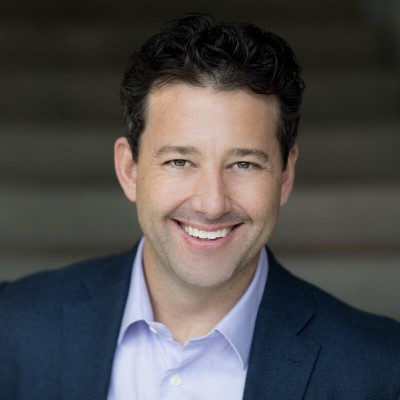 Heidelberg, 6. Oktober 2026 - SAS, einer der weltweit führenden Anbieter von Lösungen für Daten und künstliche Intelligenz (KI), hat Casey McGee zum neuen Executive Vice President und Chief Sales Officer ernannt. McGee verfügt über 25 Jahre Erfahrung im Bereich Enterprise-Sales und Umsatzwachstum, die er bei Google, Microsoft und Lytx gesammelt hat.
"Casey bringt umfassende Expertise für Enterprise-Software, KI-Anwendungen und Partnermanagement mit. Aber was am wichtigsten ist: Er weiß, wie man Kunden dabei hilft, Mehrwert aus Technologie zu gewinnen", erklärt SAS CEO Jim Goodnight. "SAS wächst seit eh und je, indem wir unseren Kunden zeige n, wie sie reale Probleme mit Daten lösen. Caseys Erfahrung ist gerade jetzt sehr wertvoll, weil Unternehmen nach produktiven und zugleich vertrauenswürdigen Möglichkeiten suchen, Daten und KI zu nutzen."
Zuletzt war McGee als Managing Director, Global Partner Ecosystem and Applied AI bei Google tätig und verantwortete in dieser Rolle die Zusammenarbeit mit den wichtigsten Partnern im Bereich Geschäftsapplikationen und Infrastruktur. Bevor er zu Google kam, war McGee 22 Jahre in verschiedenen Führungspositionen bei Microsoft aktiv. Dort war er unter anderem für die Entwicklung branchenspezifischer Partnermodelle und den Aufbau des Kundensegments Digital Natives zuständig. Zudem leitete er die Geschäftstätigkeiten für Microsofts globale Sales und Marketing-Organisation. Als Chief Revenue Officer bei Lytx kümmerte er sich um Marketing, Sales, Partner und Kunden.
"Viele Unternehmen versprechen eine erfolgreiche KI-Transformation. Aber in diesem Markt i st Vertrauen das entscheidende Kriterium. Kunden brauchen nicht nur Zugang zu Modellen, sie müssen sich darauf verlassen können, dass Daten, Entscheidungen und die Ergebnisse daraus zuverlässig, verantwortungsbewusst und branchengerecht sind", sagt McGee. "SAS hat 50 Jahre investiert, um dieses Vertrauen bei Unternehmen und Behörden aufzubauen. Und dieses Fundament ist heute wertvoller denn je, wo KI aus der Experimentierphase in die breite Anwendung geht. Ich freue mich darauf, mit SAS Kunden, Partnern und Teams zusammenzuarbeiten, um die Technologie in die nächste Wachstumsphase zu bringen."
Als Chief Sales Officer leitet McGee den globalen Vertrieb von SAS und hilft dabei, die kundenzentrierte Wachstumsstrategie voranzubringen. Er folgt auf Riad Gydien, der den Bereich 20 Jahre lang zu signifikantem Wachstum gebracht und transformiert, den Kundenfokus gestärkt und eine integrierte globale Go-to-Market-Strategie eingeführt hat.
SAS Institute GmbH
Thomas Maier
In der Neckarhelle 162
69118 Heidelberg
Deutschland
E-Mail: thomas.maier@sas.com
Homepage: https://www.sas.com/de_de/home.html
Telefon: 0049 6221 415-1214
Pressekontakt
Dr. Haffa & Partner GmbH
Anja Klauck
Karlstraße 42
80333 München
Deutschland
E-Mail: postbox@haffapartner.de
Homepage: http://www.haffapartner.de
Telefon: 089 993191-0
Donnerstag, 1. Oktober 2026
Wohnungsverkauf mit professioneller Begleitung
Der Verkauf einer Wohnung erfordert fundiertes Marktwissen, eine realistische Preisfindung und die richtige Käuferansprache. WHG Immobilien begleitet Eigentümer mit jahrzehntelanger Erfahrung durch den gesamten Verkaufsprozess und sorgt für eine erfolgreiche Abwicklung.
Wer seine Wohnung verkaufen möchte, steht vor vielfältigen Aufgaben: Von der Ermittlung eines marktgerechten Verkaufspreises über die ansprechende Präsentation bis hin zur Auswahl solventer Käufer. Hinzu kommen rechtliche Aspekte, die Koordination von Besichtigungen und die Vorbereitung der notariellen Vertragsabwicklung. All diese Schritte erfordern Zeit, Fachwissen und Erfahrung im regionalen Immobilienmarkt.
Eine zentrale Rolle spielt die professionelle Wertermittlung. Diese berücksichtigt nicht nur die Lage und Ausstattung der Wohnung, sondern auch aktuelle Marktentwicklungen und Vergleichsobjekte in der Region. WHG Immobilien verfügt mit Heidi Pfuderer über eine DEKRA zertifi zierte Sachverständige, die fundierte Bewertungen erstellt und Eigentümern eine realistische Einschätzung des Verkaufspotenzials gibt.
"Eine erfolgreiche Vermarktung beginnt mit der richtigen Positionierung am Markt", erklärt Heidi Pfuderer, Inhaberin von WHG Immobilien. "Durch unsere umfassende Kenntnis des Großraums Ludwigsburg und Stuttgart können wir Wohnungen zielgerichtet präsentieren und die passenden Käufer ansprechen. Dabei profitieren unsere Kunden von unserer 40-jährigen Erfahrung seit 1986."
Die Experten von WHG Immobilien übernehmen sämtliche Schritte des Verkaufsprozesses. Dazu gehört die Erstellung aussagekräftiger Exposés mit professionellen Aufnahmen, die Veröffentlichung auf relevanten Plattformen sowie die Durchführung qualifizierter Besichtigungen. Besonders wichtig ist dabei die Vorauswahl interessierter Käufer, um Eigentümern unnötige Termine zu ersparen und nur ernsthaft Interessierte zu präsentieren.
Ein we iterer Vorteil der Zusammenarbeit mit WHG Immobilien liegt in der umfassenden Expertise des Teams. Neben der immobilienwirtschaftlichen Kompetenz verfügt das Unternehmen über technisches Know-how durch eine staatlich geprüfte Versorgungstechnikerin und einen Architekten im Team. Dadurch können auch spezielle Fragen zu Heizungssystemen, baulichen Gegebenheiten oder Modernisierungsmöglichkeiten kompetent beantwortet werden.
Eigentümer, die ihre Wohnung verkaufen möchten und dabei auf professionelle Begleitung setzen, erhalten bei WHG Immobilien einen leistungsstarken Rundumservice. Das Team übernimmt alle Formalitäten, koordiniert Notartermine und steht auf Wunsch auch bei der Übergabe zur Verfügung. Weitere Informationen zum Thema Wohnungsverkauf sowie zu den Leistungen von WHG Immobilien wie Wohnung verkaufen Bietigheim-Bissingen, Wohnung verkaufen in Freiberg am Neckar sowie Wohnung verkaufen Ludwigsburg erhalten Interessierte auf der Website.
WHG Immobilien
Heidi Pfuderer
Friedenstraße 25
71691 Freiberg am Neckar
Deutschland
E-Mail: info@whg-immobilien.de
Homepage: https://www.whg-immobilien.de/
Telefon: 07141 / 75501
Pressekontakt
WHG Immobilien
Heidi Pfuderer
Friedenstraße 25
71691 Freiberg am Neckar
Deutschland
E-Mail: info@whg-immobilien.de
Homepage: https://www.whg-immobilien.de/
Telefon: 07141 / 75501
Wer seine Wohnung verkaufen möchte, steht vor vielfältigen Aufgaben: Von der Ermittlung eines marktgerechten Verkaufspreises über die ansprechende Präsentation bis hin zur Auswahl solventer Käufer. Hinzu kommen rechtliche Aspekte, die Koordination von Besichtigungen und die Vorbereitung der notariellen Vertragsabwicklung. All diese Schritte erfordern Zeit, Fachwissen und Erfahrung im regionalen Immobilienmarkt.
Eine zentrale Rolle spielt die professionelle Wertermittlung. Diese berücksichtigt nicht nur die Lage und Ausstattung der Wohnung, sondern auch aktuelle Marktentwicklungen und Vergleichsobjekte in der Region. WHG Immobilien verfügt mit Heidi Pfuderer über eine DEKRA zertifi zierte Sachverständige, die fundierte Bewertungen erstellt und Eigentümern eine realistische Einschätzung des Verkaufspotenzials gibt.
"Eine erfolgreiche Vermarktung beginnt mit der richtigen Positionierung am Markt", erklärt Heidi Pfuderer, Inhaberin von WHG Immobilien. "Durch unsere umfassende Kenntnis des Großraums Ludwigsburg und Stuttgart können wir Wohnungen zielgerichtet präsentieren und die passenden Käufer ansprechen. Dabei profitieren unsere Kunden von unserer 40-jährigen Erfahrung seit 1986."
Die Experten von WHG Immobilien übernehmen sämtliche Schritte des Verkaufsprozesses. Dazu gehört die Erstellung aussagekräftiger Exposés mit professionellen Aufnahmen, die Veröffentlichung auf relevanten Plattformen sowie die Durchführung qualifizierter Besichtigungen. Besonders wichtig ist dabei die Vorauswahl interessierter Käufer, um Eigentümern unnötige Termine zu ersparen und nur ernsthaft Interessierte zu präsentieren.
Ein we iterer Vorteil der Zusammenarbeit mit WHG Immobilien liegt in der umfassenden Expertise des Teams. Neben der immobilienwirtschaftlichen Kompetenz verfügt das Unternehmen über technisches Know-how durch eine staatlich geprüfte Versorgungstechnikerin und einen Architekten im Team. Dadurch können auch spezielle Fragen zu Heizungssystemen, baulichen Gegebenheiten oder Modernisierungsmöglichkeiten kompetent beantwortet werden.
Eigentümer, die ihre Wohnung verkaufen möchten und dabei auf professionelle Begleitung setzen, erhalten bei WHG Immobilien einen leistungsstarken Rundumservice. Das Team übernimmt alle Formalitäten, koordiniert Notartermine und steht auf Wunsch auch bei der Übergabe zur Verfügung. Weitere Informationen zum Thema Wohnungsverkauf sowie zu den Leistungen von WHG Immobilien wie Wohnung verkaufen Bietigheim-Bissingen, Wohnung verkaufen in Freiberg am Neckar sowie Wohnung verkaufen Ludwigsburg erhalten Interessierte auf der Website.
WHG Immobilien
Heidi Pfuderer
Friedenstraße 25
71691 Freiberg am Neckar
Deutschland
E-Mail: info@whg-immobilien.de
Homepage: https://www.whg-immobilien.de/
Telefon: 07141 / 75501
Pressekontakt
WHG Immobilien
Heidi Pfuderer
Friedenstraße 25
71691 Freiberg am Neckar
Deutschland
E-Mail: info@whg-immobilien.de
Homepage: https://www.whg-immobilien.de/
Telefon: 07141 / 75501
Abonnieren
Posts (Atom)